
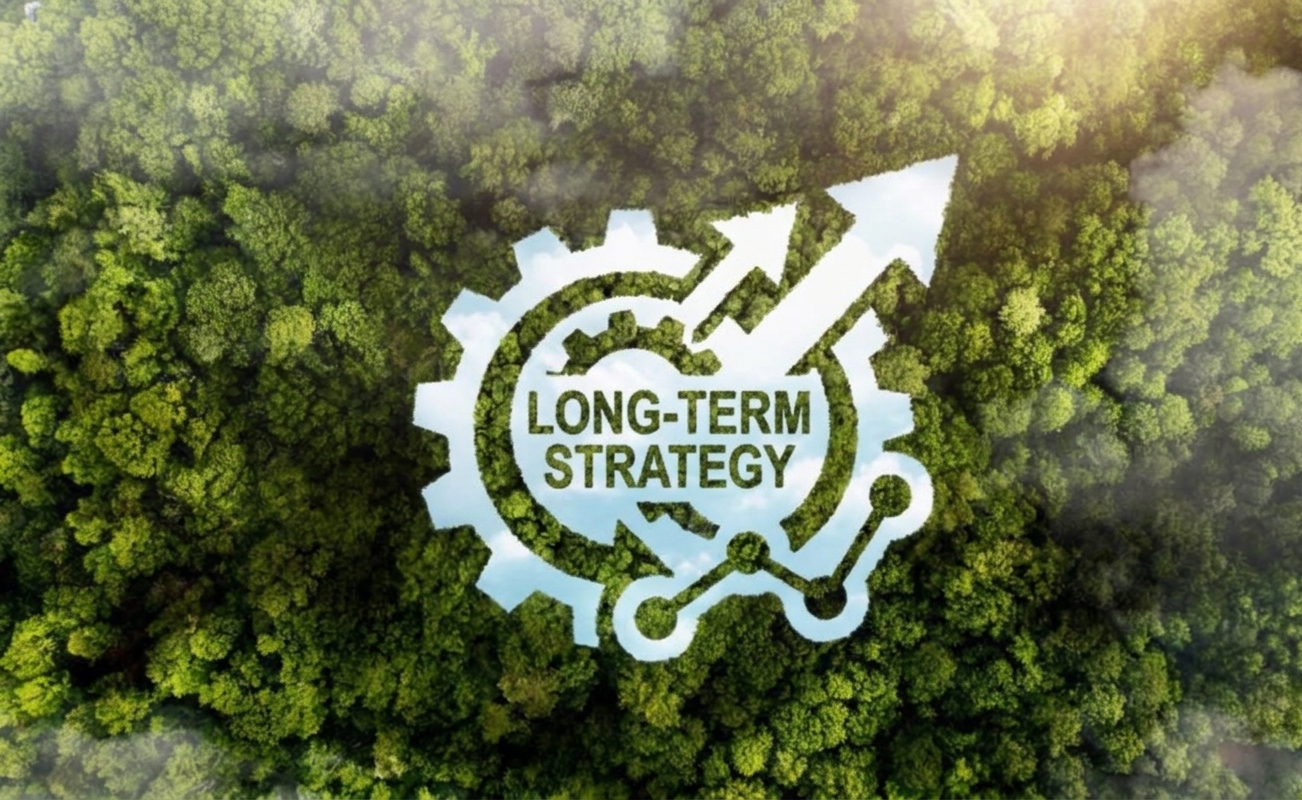
Quarterly financial results serve a clear operational purpose: they validate short-term guidance, demonstrate execution discipline, and keep capital markets informed. However, relying solely on a three-month rhythm can trap companies in a reactive narrative.
Short-term financial metrics explain where a company is today. Whereas long-term strategic direction explains where it will generate value tomorrow.
As economic uncertainty, regulatory evolution, and industrial transitions reshape global markets, institutional investors across Europe and the Middle East are placing greater emphasis on multi-year enterprise resilience. Strategic milestones, such as Capital Markets Days (CMDs), annual strategy presentations, and investor teach-ins, have become critical platforms for Investor Relations (IR) teams to articulate this multi-year vision.
At the heart of this shift is a practical realisation: Environmental, Social, and Governance (ESG) factors are not a separate layer attached to financial reporting. When framed effectively, ESG metrics reflect core operational discipline, capital efficiency, risk mitigation, and sustainable growth.
The Strategic Challenge
For IR professionals, balancing short-term earnings expectations with long-term strategic positioning presents a recurring dilemma. Buy-side analysts and quarterly traders focus on near-term margins and volume guidance, while major long-term institutional asset managers demand clarity on multi-year capital allocation, energy transition pathways, and governance oversight.
Treating ESG indicators in isolation creates friction. Investors tune out abstract commitments that lack connection to commercial outcomes. To build credibility, IR teams must shift the focus:
- Divided Narrative: Presenting ESG as a compliance exercise isolated in a standalone sustainability slide at the end of a deck.
- Integrated Equity Story: Demonstrating how sustainability initiatives drive operational efficiency, risk management, customer retention, and long-term return on invested capital.
Key Frameworks Shaping Long-Term Value Reporting
Communicating long-term strategy requires structured frameworks that bridge non-financial operational drivers with recognised financial reporting standards:
- Double Materiality under EU CSRD / ESRS
Under the European Union’s Corporate Sustainability Reporting Directive (CSRD), companies subject to its scope must apply the principle of double materiality. This requires explaining both impact materiality (how the business affects society and the environment) and financial materiality (how climate, social, and regulatory trends impact cash flows and balance sheet strength).
- Financial Materiality via ISSB (IFRS S1 & S2)
The International Sustainability Standards Board released IFRS S1 & IFRS S2 Standards, establishing a global baseline focused on financial materiality. They require management to explain how sustainability-related risks and opportunities reasonably expect to affect enterprise value, cash flows, and access to capital over short, medium, and long-term horizons.
- Capital Allocation and Return on Invested Capital
Institutional investors consistently request clarity on how green capital expenditure (Green CapEx) or R&D spending ties back to hurdle rates, margin expansion, and asset durability. A successful narrative grounds sustainability spending in sound corporate finance principles.
Regional Perspectives: Europe and the Middle East
Investor expectations around Capital Markets Days and strategy updates vary across key capital markets regions:
Europe:
European institutional investors operate in a mature regulatory market shaped by the Sustainable Finance Disclosure Regulation (SFDR). During Capital Markets Days, buy-side analysts expect management to articulate how ESG investments protect cash flows from regulatory penalties, carbon taxes, and changing consumer preferences. IR teams must present actionable milestones rather than high-level statements.
Middle East:
In the Middle East, corporate long-term strategic narratives align closely with national economic diversification agendas, such as the UAE’s “We the UAE 2031” and Saudi Arabia’s Vision 2030. Financial hubs like Abu Dhabi (ADGM), Dubai (DIFC), and Riyadh are attracting global capital through green finance frameworks.
For GCC corporates, Capital Markets Days provide an opportunity to show global investors how investments in operational efficiency, governance, and technology position the business for sustainable long-term growth and foreign direct investment (FDI).
4 Practical Ways IR Teams Can Build an Integrated Long-Term Narrative
During Capital Markets Days, strategic updates, and investor roadshows, IR teams can elevate the equity story through these foundational steps:
- Embed ESG Metrics Directly into Strategic KPIs
Avoid siloing sustainability into a dedicated “ESG Section” at the end of the slide deck. Instead, weave material ESG drivers directly into core business updates, such as showing how energy efficiency programs reduce operating costs or how robust workforce governance improves talent retention and operational reliability.
- Quantify the Link Between Capital Expenditure and Value Creation
Whenever presenting capital expenditure guidance, break down the portion allocated to growth, maintenance, and long-term transition projects. Clearly explain expected payback periods, cost savings, or revenue expansion resulting from these capital investments.
- Coach Management for Deep-Dive Q&A Sessions
During Capital Markets Days, executive leadership will inevitably face questions on strategic trade-offs, regulatory exposure, and long-term capital discipline. IR teams should conduct pre-event preparation so leadership can confidently discuss the commercial logic behind long-term ESG commitments.
- Maintain Story Consistency Across All Communications
A strong long-term narrative relies on consistency. Ensure the core strategic themes introduced at a Capital Markets Day are reinforced across quarterly earnings calls, annual reports, transaction microsites, and investor roadshows throughout the year.
The Bottom Line
Short-term execution builds market trust, but a clear long-term strategy commands enterprise valuation. By seamlessly connecting ESG performance with capital allocation and core financial outcomes, Investor Relations teams can transform Capital Markets Days and strategy updates into powerful catalysts for long-term shareholder value.